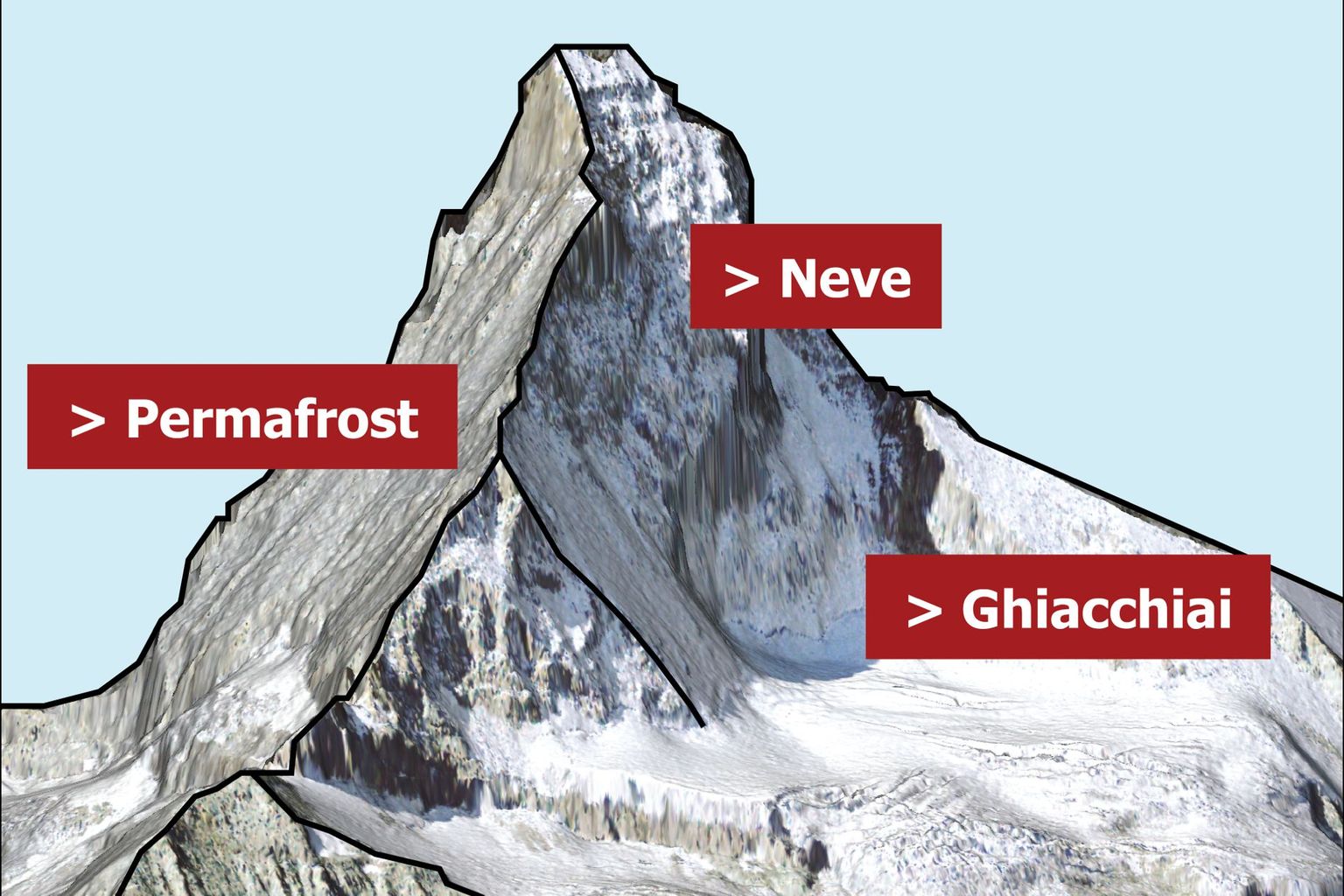
La rete Svizzera integrale di osservazioni sulla criosfera tratta principalmente le seguenti sezioni:
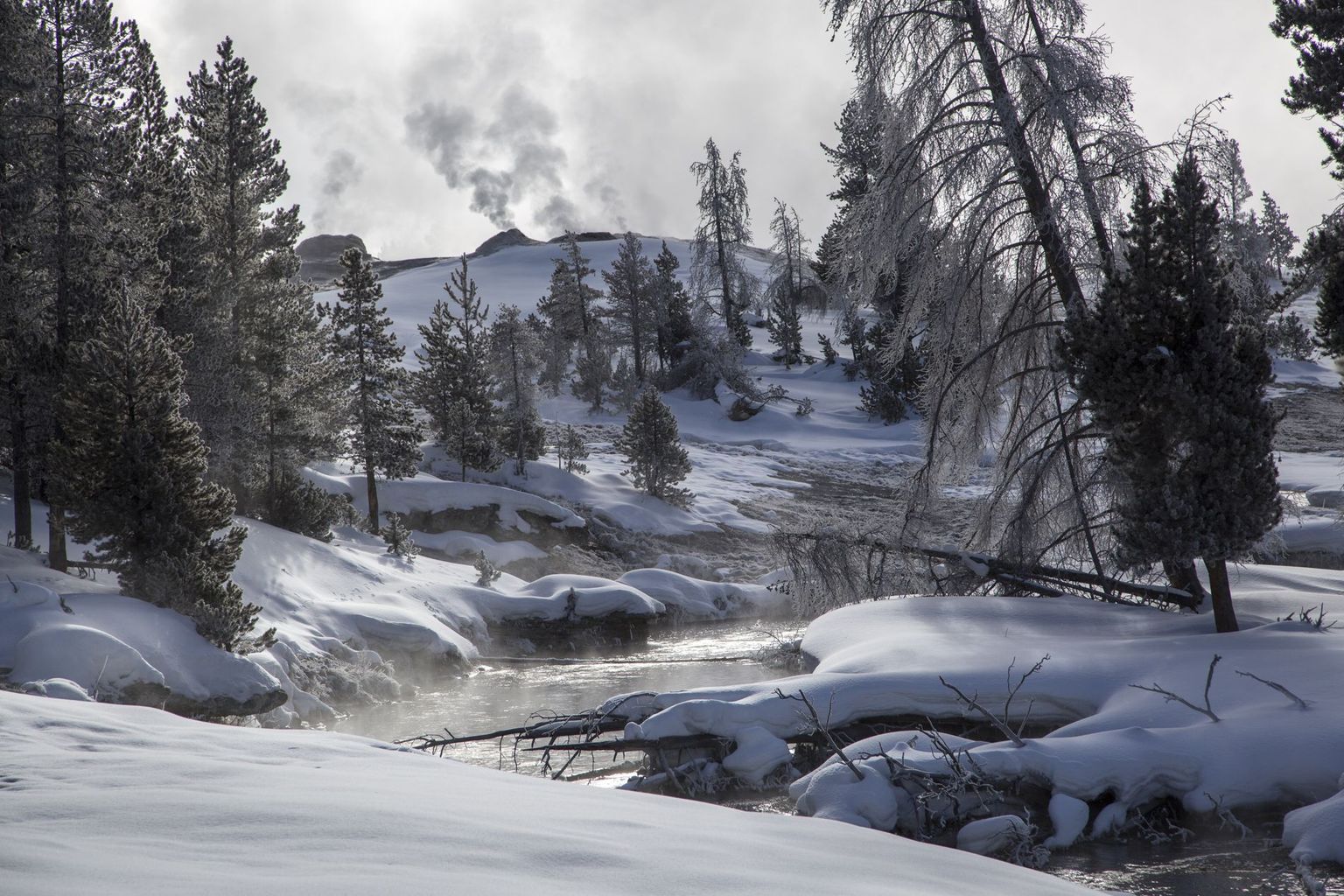
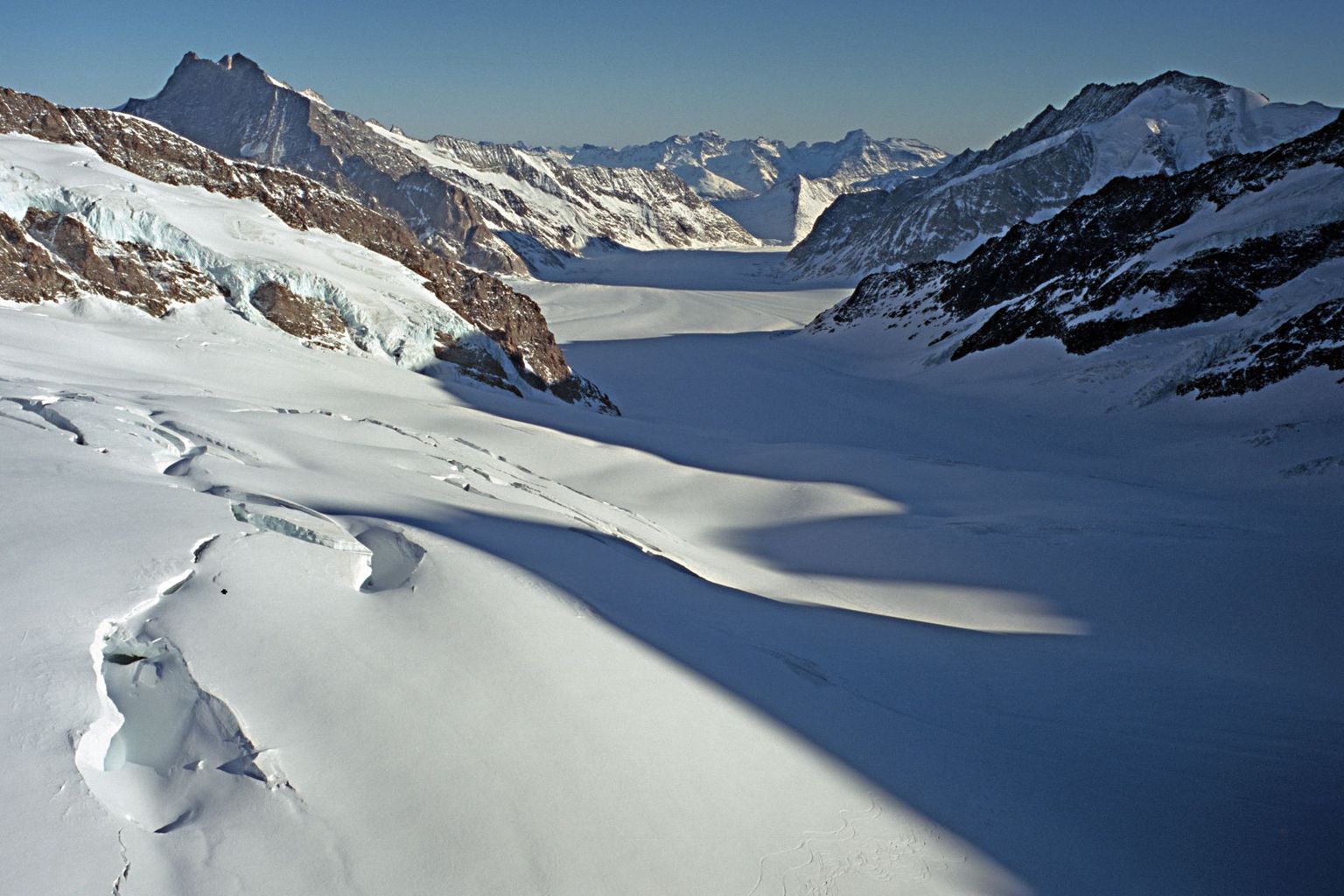
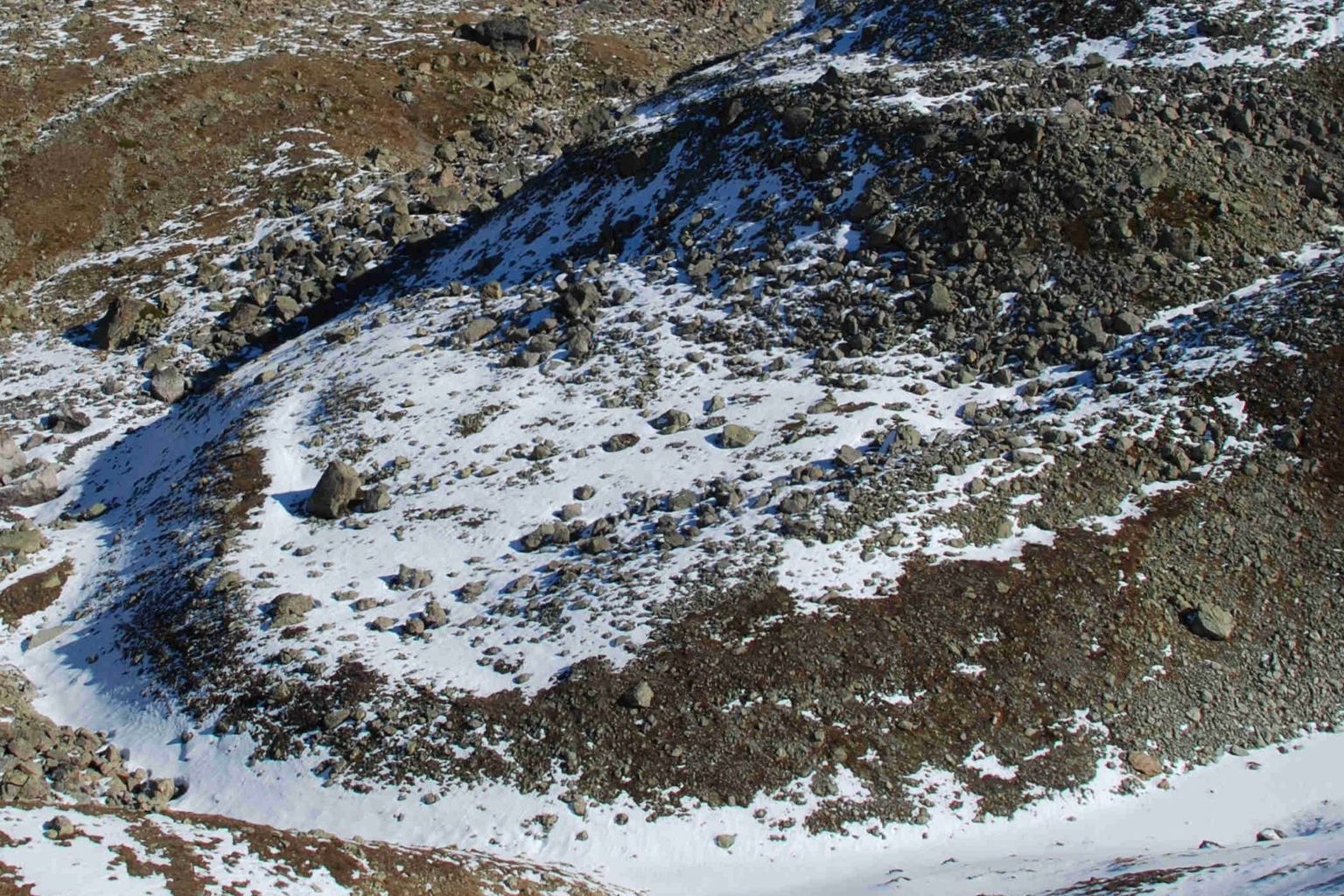
La commissione è responsabile della documentazione e dell’elaborazione scientifica dei dati raccolti i quali sono a loro volta validati dalle reti di monitoraggio. Oltre a produrre serie di dati attendibili per la ricerca scientifica, la commissione fornisce dati già elaborati nel campo della politica, dell’economia e per il pubblico. I dati raccolti sono molto importanti, potendo essere utilizzati per la diagnosi precoce di possibili cambiamenti climatici nella regione alpina.
Eventi, Notizie, Pubblicazioni

And Swiss glaciers continue to melt
Glacial melting in Switzerland was once again enormous in 2025. A winter with low snow depth combined with heat waves in June and August led to a loss of three per cent of the glacier volume. This is the fourth largest level of shrinkage since measurements began. Consequently, the ice mass reduced by one quarter in the last ten years. This was reported by GLAMOS, the glacier monitoring network in Switzerland, and the Swiss Commission for Cryosphere observation (SCC) of the Swiss Academy of Sciences.
Immagine: Matthias HussRapport sur la cryosphère suisse 2023/2024
Malgré une abondance de neige: pousuiti du recul des glaciers et du pergélisols dans les Alpes suisses
Immagine: SKK
Nouvelle année record pour le pergélisol dans les Alpes suisses en 2024
Le pergélisol des Alpes suisses n’a jamais été aussi chaud qu’au cours de l’année hydrologique 2024. La diminution de la quantité de glace du sol ainsi que l’augmentation de la vitesse des glaciers rocheux se sont également poursuivies. Ce constat se base sur 25 ans de mesures coordonnées dans le cadre du réseau suisse d’observation du pergélisol PERMOS qui, au cours de cette période, a pu voir une nette accélération des changements du pergélisol en Suisse.
Immagine: Cécile PelletSwiss Glaciers
The Swiss Alps are characterised by glaciers. Their retreat influences the landscape and tourism, harbours natural hazards, lowers the volume of water available in summer and even has an impact on the ocean. The extent to which the Alpine glaciers are retreating and whether they will eventually disappear depends on climate change and, consequently, global climate protection. The factsheet outlines the level of knowledge concerning glacial melting and its impact on society and, additionally, illustrates available options and courses of action.

Preserving glaciers at over 3,000 metres through climate protection
Strengthened climate protection on a global level could preserve more than a quarter of the ice existing today in the Swiss Alps. Researchers have written about this in a new fact sheet from the Swiss Academy of Sciences that outlines the current level of knowledge concerning glacial melting in the Alps, the diverse effects of this and possible courses of action. In particular, glaciers at over 3,000 metres above sea level could be preserved in the long term. The fact sheet will be published on 21 March 2025 to mark the first "International Glacier Day". The United Nations has declared 2025 the International Year of Glaciers' Preservation.
Immagine: Jürgen Merz, @glacionautThe Swiss Glaciers 2021/22 and 2022/23
Glaciological Report (Glacier) No. 141/142 about the Swiss Glaciers 2019/20 and 2020/21, under review by the Cryospheric Commission.
Immagine: SKK, GLAMOSContatto
Dr. Matthias Huss
ETH Zürich
Dept. of Civil, Environmental and Geomatic Engineering (D-BAUG)
Versuchsanstalt für Wasser, Hydrologie und Glaziologie (VAW)
Hönggerbergring 26
8093 Zürich