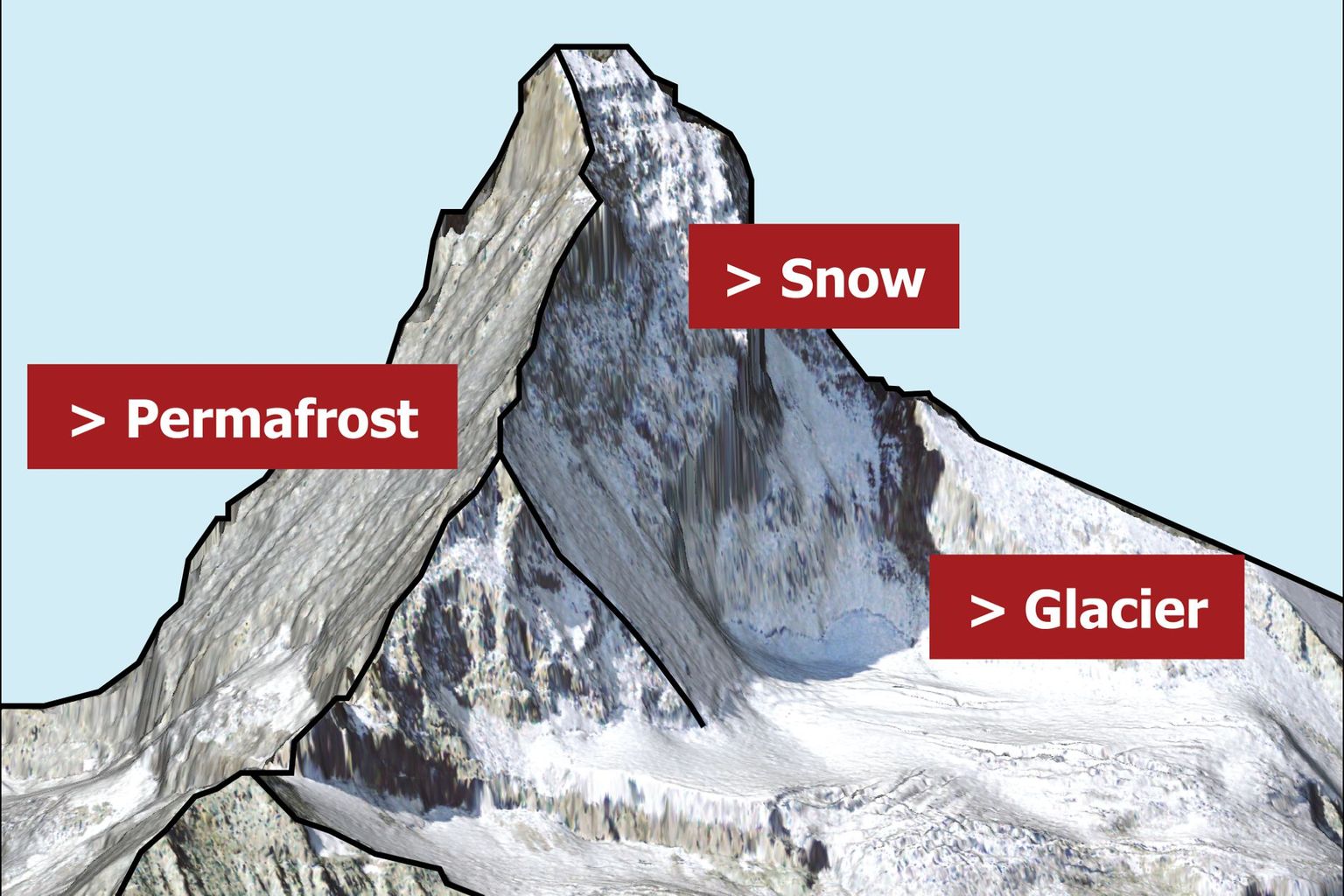
The integral Swiss crypospheric-observation-network especially focuses on the following sections:
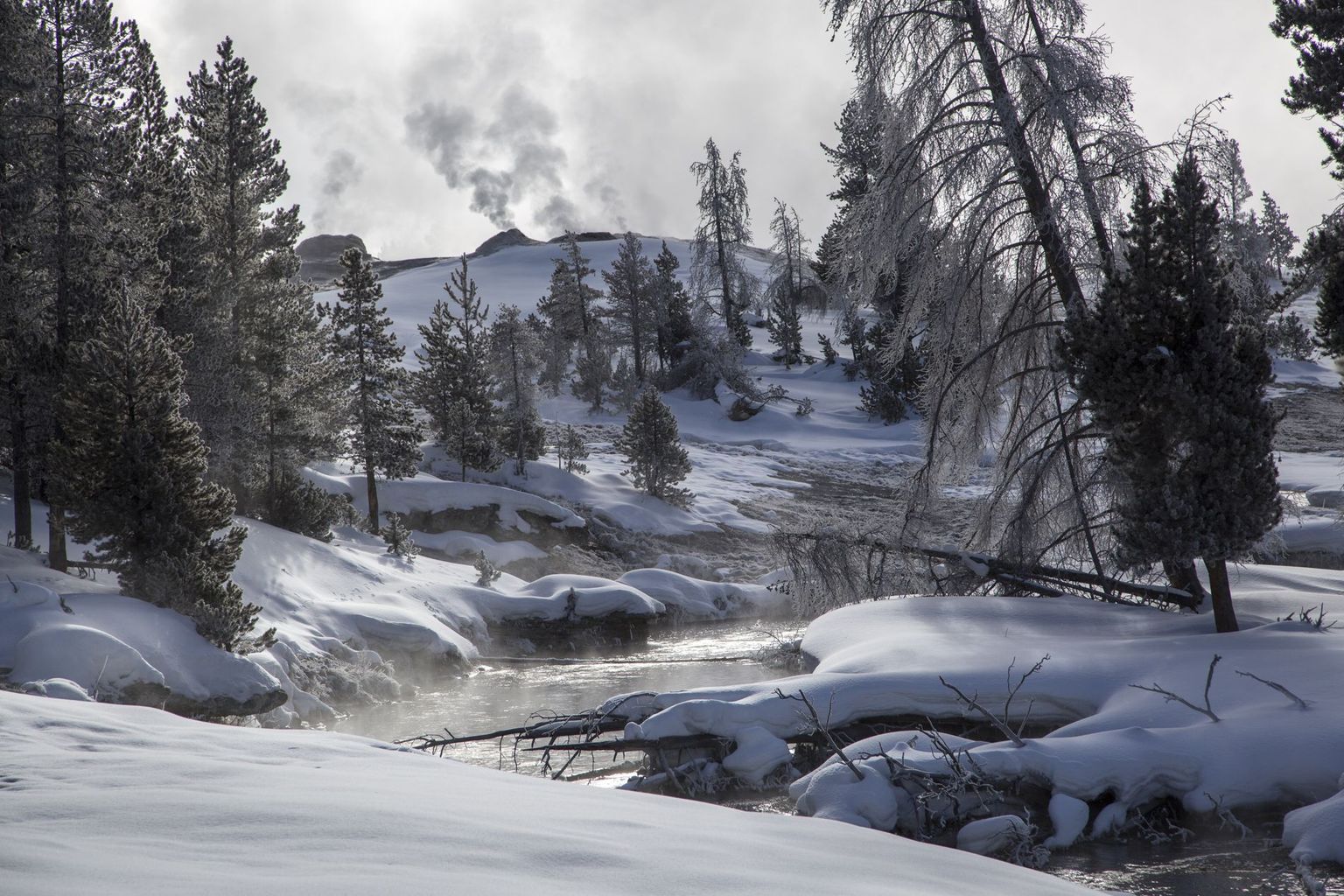
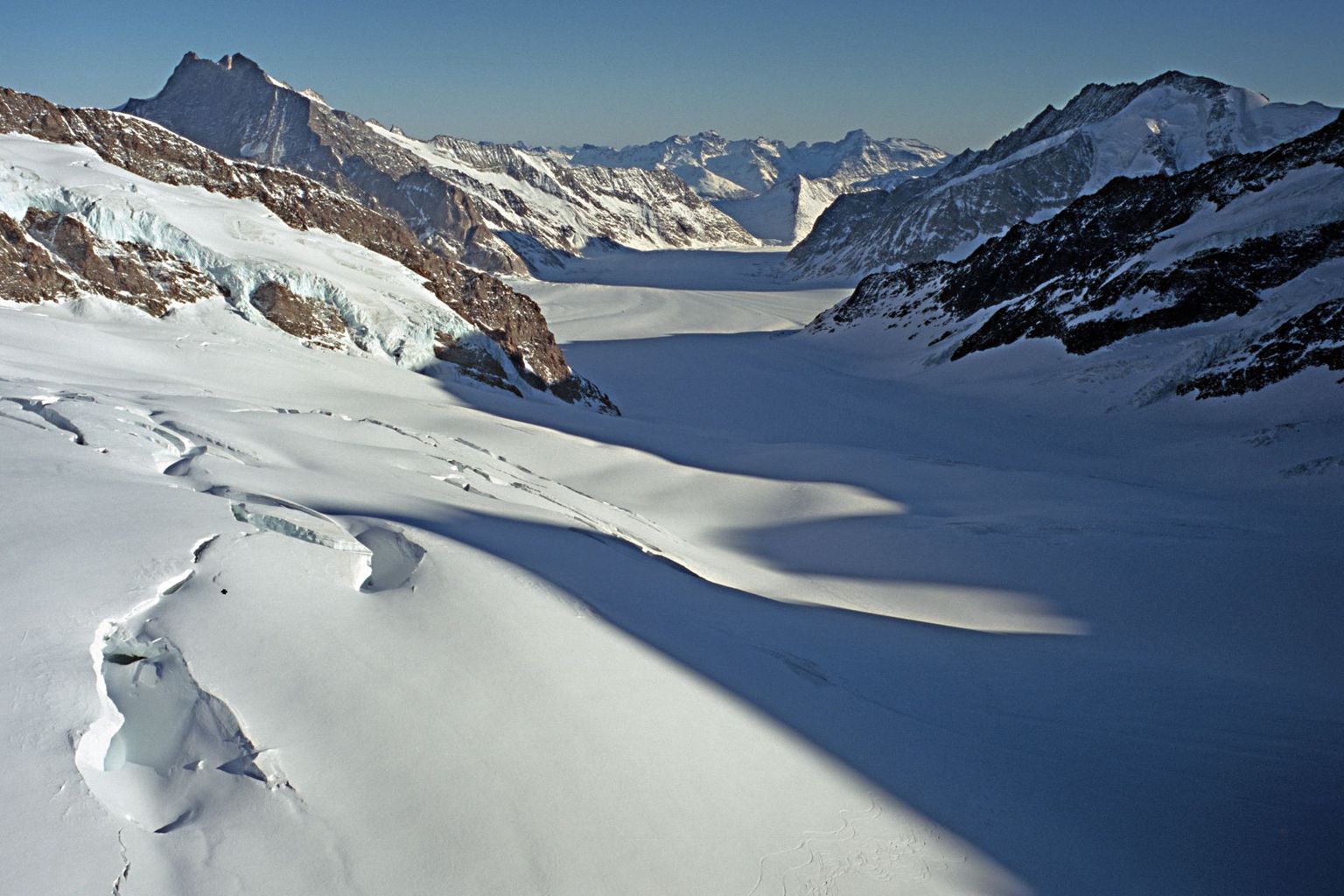
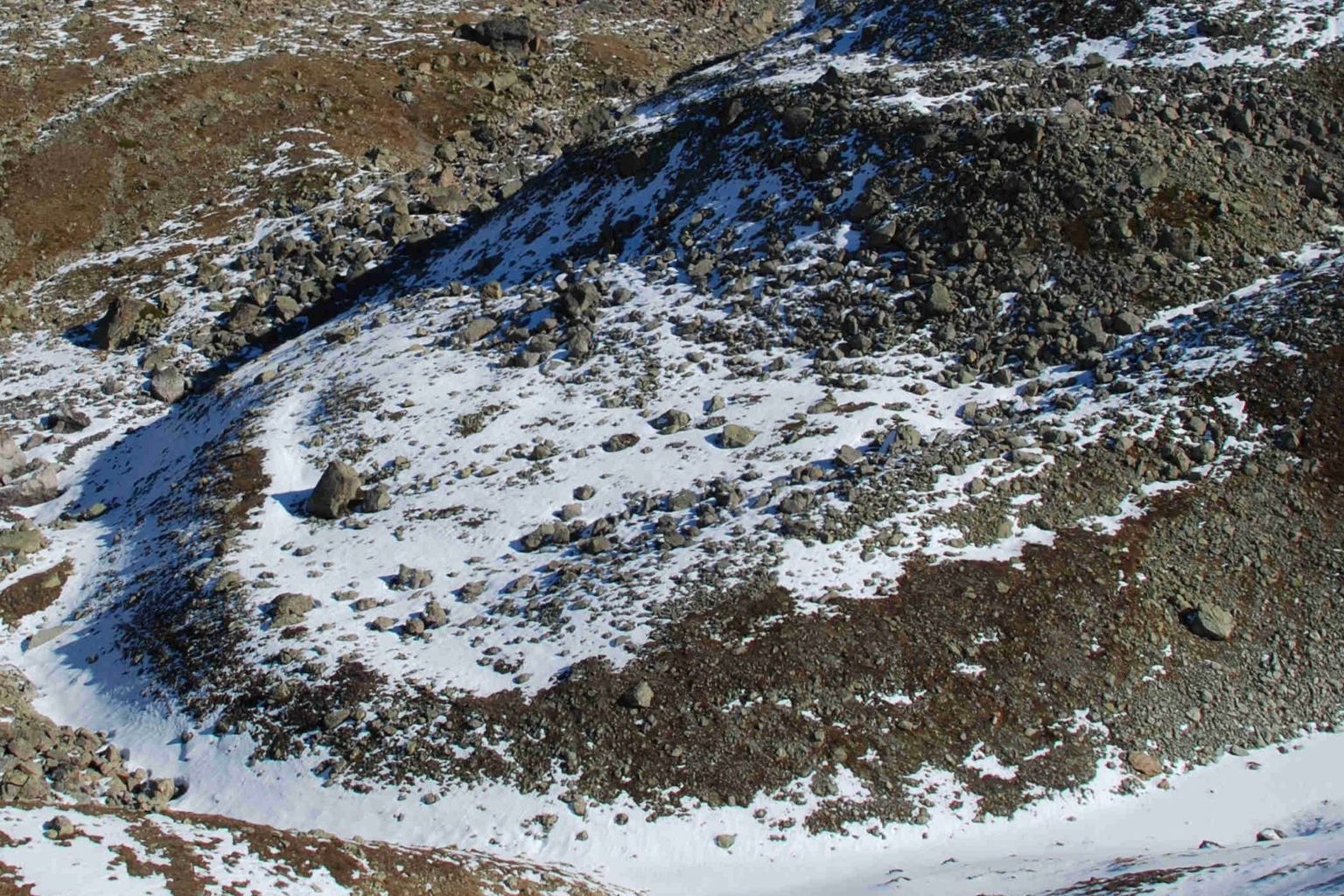
The commission is responsible for the documentation and the scientific processing of the collected data which has been ascertained by the monitoring networks. Alongside with providing reliable data for science it also supplies processed data for politics, the economy and the public. The ascertained data is of great significance in order to ensure an early diagnosis of possible changes in the alpine regions.
Events, News, Publications

And Swiss glaciers continue to melt
Glacial melting in Switzerland was once again enormous in 2025. A winter with low snow depth combined with heat waves in June and August led to a loss of three per cent of the glacier volume. This is the fourth largest level of shrinkage since measurements began. Consequently, the ice mass reduced by one quarter in the last ten years. This was reported by GLAMOS, the glacier monitoring network in Switzerland, and the Swiss Commission for Cryosphere observation (SCC) of the Swiss Academy of Sciences.
Image: Matthias HussSchweizer Kryosphärenbericht 2023/2024
Trotz viel Schnee: Weiterer Rückgang von Gletscher und Permafrost in den Schweizer Alpen
Image: SKK
Permafrost in den Schweizer Alpen: 2024 war ein weiteres Rekordjahr
Der Permafrost in den Schweizer Alpen war noch nie so warm wie im hydrologischen Jahr 2024. Auch der Rückgang des Bodeneisgehalts und die Zunahme der Blockgletschergeschwindigkeiten setzten sich weiter fort. Diese Beobachtungen beruhen auf 25 Jahren koordinierter Messungen im Rahmen des Schweizerischen Permafrostbeobachtungsnetzes PERMOS. In diesem Zeitraum haben sich die Permafrostveränderungen in den Schweizer Alpen beschleunigt.
Image: Cécile PelletSwiss Glaciers
The Swiss Alps are characterised by glaciers. Their retreat influences the landscape and tourism, harbours natural hazards, lowers the volume of water available in summer and even has an impact on the ocean. The extent to which the Alpine glaciers are retreating and whether they will eventually disappear depends on climate change and, consequently, global climate protection. The factsheet outlines the level of knowledge concerning glacial melting and its impact on society and, additionally, illustrates available options and courses of action.

Preserving glaciers at over 3,000 metres through climate protection
Strengthened climate protection on a global level could preserve more than a quarter of the ice existing today in the Swiss Alps. Researchers have written about this in a new fact sheet from the Swiss Academy of Sciences that outlines the current level of knowledge concerning glacial melting in the Alps, the diverse effects of this and possible courses of action. In particular, glaciers at over 3,000 metres above sea level could be preserved in the long term. The fact sheet will be published on 21 March 2025 to mark the first "International Glacier Day". The United Nations has declared 2025 the International Year of Glaciers' Preservation.
Image: Jürgen Merz, @glacionautThe Swiss Glaciers 2021/22 and 2022/23
Glaciological Report (Glacier) No. 141/142 about the Swiss Glaciers 2019/20 and 2020/21, under review by the Cryospheric Commission.
Image: SKK, GLAMOSContact
Dr. Matthias Huss
ETH Zürich
Dept. of Civil, Environmental and Geomatic Engineering (D-BAUG)
Versuchsanstalt für Wasser, Hydrologie und Glaziologie (VAW)
Hönggerbergring 26
8093 Zürich
Switzerland